
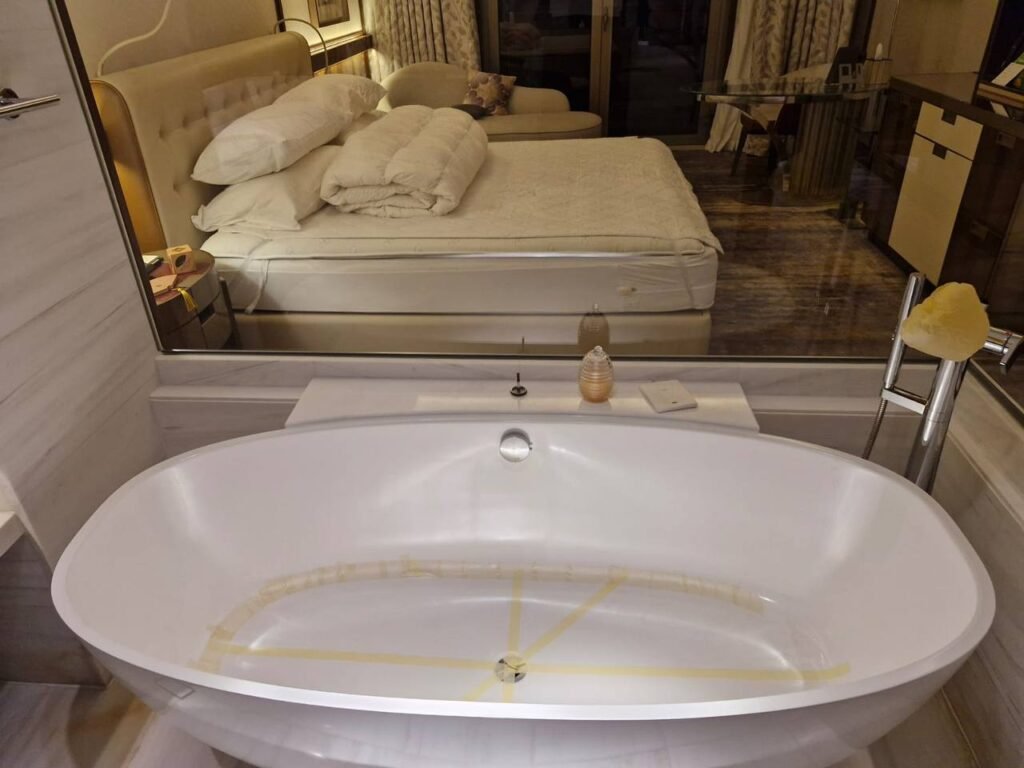
Yes, anti-slip coating can work very well when it is applied to the right surface, with the right product, and by following the correct preparation and curing process. It is designed to increase surface grip and reduce the risk of slipping on wet, smooth, or polished areas.
But anti-slip coating is not magic. It will not fix broken tiles, badly damaged floors, poor drainage, or unsafe cleaning habits. Its performance depends on surface condition, coating quality, professional application, traffic level, water exposure, and proper maintenance.
For homes, hotels, hospitals, swimming pools, clinics, commercial buildings, industrial areas, and public facilities, a high-quality anti-slip coating can be a smart safety upgrade without replacing the whole floor.
What Does Anti-Slip Coating Actually Do?
Anti-slip coating creates a thin protective layer over an existing surface. This layer helps increase friction between the surface and the foot, shoe, or bare skin.
On smooth surfaces like ceramic tiles, bathtubs, shower trays, marble, concrete, stairs, pool decks, and walkways, the coating helps reduce slipperiness. This is especially useful when the surface becomes wet.
The goal is simple. The surface should feel safer to walk on, stand on, or move across without making the area look ugly or heavily modified.
Does Anti-Slip Coating Work on Wet Floors?
Yes, this is one of the main reasons anti-slip coating is used. Wet floors are often the most dangerous because water reduces natural grip. Bathrooms, shower areas, swimming pool surrounds, spa floors, hotel entrances, kitchens, and hospital corridors can become slippery very quickly.
A good anti-slip coating improves traction even when water is present. This does not mean the surface becomes impossible to slip on, but it can reduce the risk when compared with an untreated smooth surface.
For barefoot wet areas, such as showers, bathtubs, pool areas, and changing rooms, choosing a coating tested for wet barefoot conditions is especially important.
Does Anti-Slip Coating Work on Tiles?
Anti-slip coating can work on many types of tiles, including ceramic, porcelain, natural stone, and other smooth flooring materials. The result depends on the tile type, surface finish, cleaning condition, and coating system.
Glossy tiles are often beautiful but slippery when wet. Instead of removing them, anti-slip coating can help improve safety while keeping the original design visible.
Before coating tiles, the surface must be cleaned properly. Grease, soap residue, wax, scale, dust, or old chemical layers can reduce adhesion. That is why preparation is one of the most important parts of the process.
Does Anti-Slip Coating Work in Bathrooms?
Bathrooms are one of the best places to use anti-slip coating. Shower trays, bathtubs, bathroom tiles, wet room floors, and elderly care bathrooms often become slippery because of water, soap, shampoo, and smooth surfaces.
An anti-slip coating can make these surfaces safer without using loose mats or visible strips. This is useful for homes, hotels, clinics, hospitals, wellness centers, and care facilities.
For bathrooms, the coating should be water-resistant, hygienic, easy to clean, and suitable for bare feet.
Does Anti-Slip Coating Work Outdoors?
Yes, anti-slip coating can work outdoors if the correct product is selected. Outdoor areas face more challenges than indoor spaces. Sunlight, rain, dust, heat, cleaning chemicals, heavy traffic, and drainage all affect performance.
Common outdoor uses include pool decks, stairs, ramps, entrances, walkways, balconies, terraces, yacht decks, and public access areas.
For outdoor use, the coating should match the surface and environment. A professional assessment is recommended before application.
How Long Does Anti-Slip Coating Last?
The lifespan of anti-slip coating depends on surface type, foot traffic, cleaning method, water exposure, coating quality, and application quality.
A bathroom in a private home will not wear the same way as a hotel spa, public pool, hospital corridor, or industrial walkway. High-traffic areas need stronger products and regular inspection.
With proper application and maintenance, anti-slip coating can provide long-lasting safety support. However, like any protective surface treatment, it may need inspection, maintenance, or reapplication over time.
Why Some Anti-Slip Coatings Fail
Anti-slip coatings usually fail because of poor preparation, wrong product selection, bad application, or improper maintenance.
If the surface is dirty, oily, wet, cracked, dusty, or covered with old chemicals, the coating may not bond properly. If the coating is applied too thick, too thin, or unevenly, the final grip may not be reliable.
Another common problem is using the surface before it has dried or cured properly. Water, cleaning, heavy traffic, or mechanical cleaning too early can affect the final result.
This is why professional application matters.
Is Anti-Slip Coating Better Than Anti-Slip Tape?
Anti-slip tape can help in some areas, especially for temporary use, stairs, edges, and industrial warning zones. But it may not look good in bathrooms, hotels, clinics, spas, pools, or premium commercial interiors.
Anti-slip coating gives a cleaner and more seamless finish. It can cover larger areas and preserve the appearance of the surface better than visible tape.
For design-sensitive spaces, transparent anti-slip coating is often a better choice.
Is Anti-Slip Coating Better Than Replacing the Floor?
In many cases, yes. Replacing tiles or flooring can be expensive, messy, and time-consuming. It may also interrupt business operations in hotels, hospitals, clinics, offices, pools, and public buildings.
Anti-slip coating can improve safety without removing the existing surface. This makes it a practical solution when the floor is still in good condition but too slippery.
However, if the floor is broken, loose, uneven, badly cracked, or structurally unsafe, coating alone is not enough. The surface must be repaired first.
What Surfaces Can Benefit Most?
Anti-slip coating works best on surfaces that are smooth, wet, polished, or high-risk.
These include bathroom tiles, shower trays, bathtubs, pool decks, hotel spa floors, marble floors, ceramic tiles, hospital floors, clinic corridors, ramps, stairs, entrances, commercial kitchens, yacht decks, and industrial walkways.
The best results come when the surface is stable, clean, and suitable for coating.
Does Anti-Slip Coating Change the Look of the Surface?
Many modern anti-slip coatings are designed to be transparent or almost invisible. This means they improve grip without covering the original tile, stone, bathtub, shower tray, or floor design.
This is one reason anti-slip coatings are popular in hotels, resorts, wellness centers, clinics, homes, and commercial buildings where appearance matters.
The final look depends on the surface, coating type, and application quality.
How Do You Know If Anti-Slip Coating Is Working?
You can usually feel the difference after the coating has dried correctly. The surface should feel more stable underfoot, especially when wet.
For commercial, healthcare, hospitality, or public environments, slip-resistance testing may be recommended. This gives a more professional way to measure safety performance instead of relying only on feel.
Testing is especially useful for hotels, hospitals, pools, factories, schools, malls, restaurants, and public buildings.
What Affects Anti-Slip Coating Performance?
Several factors affect the final result.
The first factor is surface preparation. A clean and dry surface gives the coating a better chance to bond properly.
The second factor is product quality. Not all coatings are tested the same way. Certified products give more confidence than basic floor paints or unknown treatments.
The third factor is correct application. Mixing, rolling, spreading, drying, and curing must be done according to the product instructions.
The fourth factor is maintenance. Harsh cleaning tools, unsuitable chemicals, or poor cleaning routines can reduce performance over time.
Is Anti-Slip Coating Safe for Homes and Businesses?
A professionally selected anti-slip coating can be suitable for both homes and businesses. It is commonly used in bathrooms, swimming pools, hotels, hospitals, clinics, schools, restaurants, offices, public buildings, and industrial areas.
For homes, it can help protect children, elderly family members, and anyone using wet bathroom surfaces.
For businesses, it can support workplace safety, guest comfort, and visitor confidence.
When Should You Use Anti-Slip Coating?
You should consider anti-slip coating when a surface becomes slippery after water, cleaning, soap, oil, dust, or heavy use.
It is also useful when people have already slipped, when customers or visitors complain about the surface, or when the area is used by elderly people, patients, children, guests, staff, or the public.
High-risk areas should not be ignored. Early treatment can help reduce avoidable slip accidents.
When Anti-Slip Coating May Not Be Enough
Anti-slip coating may not solve every problem. If a floor has poor drainage, standing water, broken tiles, unstable surfaces, deep cracks, heavy oil contamination, or serious structural problems, those issues must be fixed first.
A coating can improve grip, but it cannot replace proper floor repair, cleaning management, drainage, safety signs, or responsible facility maintenance.
The best safety result comes from combining the right surface treatment with good maintenance and risk management.
Why Choose SwissGrip Anti-Slip Solutions?
SwissGrip anti-slip coatings are designed for surfaces where safety, appearance, and durability matter. They are used for bathrooms, floors, stairs, tiles, bathtubs, shower trays, pool areas, and other slippery surfaces.
SwissGrip focuses on transparent anti-slip protection, certified slip-resistance performance, and practical use across residential, commercial, healthcare, hospitality, marine, and industrial environments.
For property owners, facility managers, hotels, clinics, hospitals, and public spaces, this makes SwissGrip a strong option when the goal is to improve safety without changing the full surface design.
Anti-Slip Coating Services in Saudi Arabia
Salasel Youssef Trading provides SwissGrip anti-slip solutions in Saudi Arabia for homes, hotels, resorts, clinics, hospitals, pools, commercial buildings, public areas, and industrial facilities.
If your floor, bathroom, stair, pool area, ramp, or walkway feels slippery, our team can help assess the surface and recommend the right anti-slip coating solution.
A safer surface starts with the right inspection, product, application, and maintenance plan.
FAQs About Anti-Slip Coating
Does anti-slip coating really prevent slipping?
Anti-slip coating helps reduce the risk of slipping by increasing surface grip. It does not make any surface 100% slip-proof, but it can make wet or smooth areas much safer when applied correctly.
Can anti-slip coating be used on bathroom tiles?
Yes, it can often be used on bathroom tiles, shower trays, bathtubs, and wet room floors if the surface is suitable and properly prepared.
Does anti-slip coating work on pool areas?
Yes, selected anti-slip coatings can be used around swimming pools, spas, changing rooms, and wet barefoot areas. The right product must be chosen for wet conditions.
Will anti-slip coating damage my tiles?
A professional transparent coating is designed to improve grip while keeping the surface appearance as much as possible. The surface should always be inspected before application.
How long before I can use the surface again?
Drying time depends on the product, surface, and environment. Some bathroom applications may require around 12 hours before use, while larger or heavier-use areas may need longer before full use or deep cleaning.